
You’ve probably heard that carbs are bad for you, that eating after a certain hour causes weight gain, or that breakfast is the most important meal of the day. These claims and many more are repeated so often that they now sound like unquestionable facts. But when you look beyond the clichés and trends, some of these nutrition rules are far more complicated than they appear.
Besides, nutrition science is constantly evolving, and new research can challenge ideas that have been accepted for years. So, which of the common nutrition claims we hear today actually hold up, especially in the face of current scientific findings? We will answer that question in this article.
We will discuss some of the most popular nutrition claims around today and consider what current scientific findings and evidence say about them. Let’s dive right in!
Claims/Myths About the Different Classes of Food
Some nutrition advice will just turn an entire food group into either heroes or villains. For example, Carbs are usually labeled “bad,” fats are blamed for weight gain, and certain foods are promoted as essential for good health. But the evidence shows that it’s not as simple as some of these claims have made it.
Let’s look at some common claims about major food groups and what mainstream nutrition science actually says.
Carbohydrates (Carbs)
Carbohydrates tend to have one of the poorest reputations among all the food classes, particularly with the popularity of low-carb diets. But are they really something to avoid?
Claim: Carbohydrates Are Bad for You
Carbohydrates are an important source of energy for the body, and they are found in many nutritious foods, including fruits, vegetables, beans, and whole grains. The confusion often comes from treating all carbohydrate-containing foods as though they are the same. A bowl of beans or a piece of fruit is very different nutritionally from a sugary drink or a highly refined snack. The former can provide fiber, vitamins, minerals, and other beneficial nutrients, while the latter may provide lots of calories with relatively little nutritional value.
So, carbohydrates themselves are not the problem. The type and overall quality of the carbohydrate-rich foods you eat are the main issue. So rather than cutting out carbs entirely, it makes more sense to prioritize nutritious sources and limit foods that are high in refined carbohydrates and added sugars.
Claim: Eating Carbs Causes Weight Gain
Carbohydrates do not automatically cause weight gain. Weight gain generally occurs when you consistently consume more energy than your body uses.
However, some carbohydrate-rich foods are easier to overconsume, particularly highly processed foods containing added sugars. Whole-food carbohydrate sources, on the other hand, can be filling and nutritious.
Claim: Low-Carb Diets Are Automatically Healthier
Low-carb diets can work well for some people, particularly for weight management. But reducing carbohydrates does not automatically make a diet healthier. What replaces them is important too.
Dietary Fats
Fat has also spent decades being portrayed as something to avoid entirely. But the body needs dietary fat, and not all fats have the same effects. Here are some popular claims around fats:
Claim: Eating Fat Makes You Fat
Dietary fat is calorie-dense, but eating fat does not automatically make you gain body fat. Overall energy intake is what determines whether you gain fat or not. In other words, if you consistently consume more calories than your body uses, you are likely to gain weight, regardless of whether those calories come from fat, carbohydrates, or protein.
Claim: Low-Fat Foods Are Always Healthier
A “low-fat” label does not automatically make a food healthy. Some low-fat products can contain significant amounts of added sugar or refined ingredients. Likewise, naturally fatty foods such as nuts and avocados can be highly nutritious.
Claim: You Should Avoid Saturated Fat Completely
Mainstream guidance generally recommends limiting saturated fat rather than eliminating every food that contains it. Replacing some saturated fat with unsaturated fat can be a healthier approach.
Protein
Protein is essential for maintaining tissues, supporting muscle, and performing numerous functions in the body. And of all the food classes, protein seems to always get the best PR. But that does not mean that consuming more protein is always better.
Claim: More Protein Is Always Better
The body needs adequate protein, but there is a point beyond which simply consuming more provides little additional benefit. Protein needs also vary depending on factors such as age, body size, and activity level.
Claim: You Need Meat to Get Enough Protein
Meat, fish, eggs, and dairy are useful protein sources, but they are not the only ones. Beans, lentils, soy, nuts, and seeds can also contribute significant amounts of protein.
Claim: Plant Proteins Are Incomplete and Inadequate
The idea here is that plant foods do not provide all the amino acids your body needs, so you must eat animal products to get enough protein. But that is not entirely true.
Some individual plant foods may be low in certain essential amino acids, but eating a variety of plant-based foods can provide all the essential amino acids your body needs. Foods such as soy, quinoa, beans, lentils, nuts, and seeds can all contribute to your protein intake.
Fruits and Vegetables
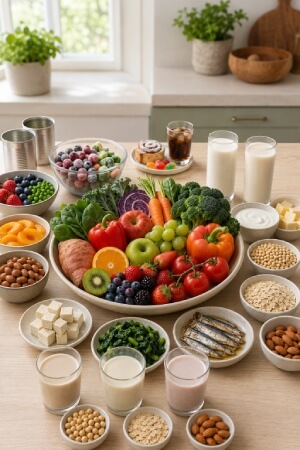
Fruits and vegetables are the poster food classes for healthy living. But there are still a few incorrect claims about them.
Claim: Fruit Contains Too Much Sugar to Be Healthy
Because fruit contains sugar, some people believe it is unhealthy or should be avoided. But the sugar naturally found in whole fruit is different from the added sugar found in foods such as sweets, soft drinks, and pastries. Whole fruits also contain fiber, vitamins, minerals, water, and other beneficial plant compounds. These nutrients make fruit a valuable part of a healthy diet.
Claim: Frozen or Canned Produce Is Less Nutritious
Fresh produce is often seen as the healthiest option, but frozen and canned fruits and vegetables can also be nutritious. Freezing or canning does not automatically strip produce of its nutritional value.
Claim: You Need Specific Fruits or Vegetables for Specific Health Benefits
You may have heard that you need to eat a particular fruit for your heart, a certain vegetable for your eyes, or another food to boost your immune system. While individual fruits and vegetables do provide different nutrients, no single one is a miracle food that can provide everything your body needs.
Dairy and Dairy Alternatives
And on the other end of the spectrum is dairy. Some people claim that dairy is actually vital for survival and others act as if it’s a poison.
Claim: Dairy Is Necessary for Strong Bones
Dairy contains some nutrients that help bone development including calcium, protein, and so forth. Plant milk fortified with calcium can be eaten up in the same manner as regular milk. Certain leafy green greens as well as tofu and also fish contain calcium mineral.
Claim: Plant-Based Milk Is Automatically Healthier
“Plant-based” doesn’t always mean healthier. Alternatives can vary significantly in protein, calcium, vitamin D and sugar content, so check the nutrition information panel to choose a well-balanced option.
Claims/Myths About Meals and Eating Habits

There are also plenty of beliefs about when you should eat, how often you should eat, and whether certain eating habits can speed up or slow down your metabolism. Some of these claims have even become so common that they are treated as rules. Let’s take a closer look at some of them:
Claim: Skipping Meals Automatically Slows Your Metabolism
The idea is that when you skip a meal, your body goes into “starvation mode” and slows your metabolism to conserve energy. But occasionally missing a meal does not suddenly cause your metabolism to shut down. Your metabolism is influenced by many factors, including your body size, activity level, age, and overall energy intake.
Claim: Breakfast Is the Most Important Meal of the Day
Breakfast can certainly be a nutritious part of your day, but calling it the “most important meal” makes it sound as though everyone must eat it. Some people enjoy breakfast and find that it helps them feel energized and manage their hunger. Others are comfortable eating their first meal later in the day. What matters more is whether your overall diet provides the nutrients and energy you need rather than whether you eat at a particular time.
Claim: Eating After a Certain Hour Automatically Causes Weight Gain
There is no magic hour at which your body suddenly starts turning everything you eat into fat. Eating late can contribute to weight gain if it leads you to consume more calories than you need, particularly if late-night eating involves frequent snacking or large portions. But the issue is not simply that the food was eaten at night.
Claim: Your Body Cannot Properly Digest Food While You Sleep
Your digestive system does not simply stop working when you go to bed. Your body continues to digest and process food while you sleep. That said, eating a very large meal immediately before lying down may cause discomfort for some people, particularly those who experience heartburn or reflux. So, the concern is not that your body suddenly becomes incapable of digestion at night.
Claim: Healthy Snacks Cannot Contribute to Weight Gain
Even nutritious foods contain calories. Nuts, fruit, yogurt, and other healthy snacks can be excellent choices, but eating large amounts of them on top of your regular meals can still increase your total energy intake. A food being nutritious does not mean you can eat unlimited amounts without affecting your overall calorie intake.
Other Popular Nutrition Claims and Myths
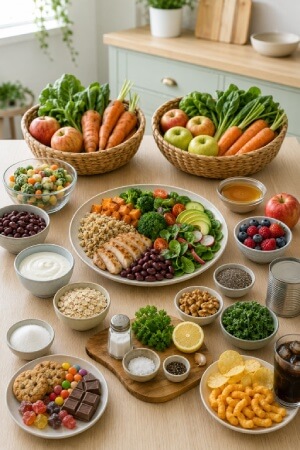
There are some claims built around the idea that certain foods are “super,” that products can detox the body, or that one ingredient is responsible for a major health problem. These ideas can sound convincing, especially when they are repeated frequently. But when we look at the evidence, many of them turn out to be more complicated than they sound.
Here are some of these claims:
Claim: Certain Foods (Superfoods) Can Dramatically Improve Your Health on Their Own
The idea is a food that is seen as having unusual positive effects on your health. In this regard, berries, for instance are sometimes touted as if they will magically imbue health and fitness, as will adding such other such items as nutty items and specific kinds of plant seeds into the dietary scheme. As you might know, the truth behind some of these ideas that have gotten a great deal of exposure includes that such food items are rich in vitamins, minerals along with dietary fiber, as are some of these other things.
Now, however, it is essential to comprehend that no single thing alone can provide you all you need by itself as well as will not help balance a diet plan of otherwise inferior nature.
So as usual, the most significant point to consider should really the entire trend of your food consumption on a daily basis.
Claim: Organic Foods Are Always More Nutritious
Organic foods are often assumed to contain significantly more nutrients than their conventionally produced counterparts. But the evidence does not support such a simple conclusion.
Studies comparing organic and conventional foods have found differences in some nutrients and compounds, but the results are inconsistent. A 2024 systematic review found no general nutritional superiority of organic foods over conventional foods.
That does not mean there are no differences at all. Organic produce may have lower pesticide residue levels, for example, but that is a separate question from whether it is more nutritious.
Claim: Natural Foods Are Automatically Healthier
“Natural” sounds like a health claim, but it does not necessarily tell you how nutritious a food is. A food can be natural and still be high in sugar, fat, or calories. The same applies in reverse: not every processed food is unhealthy.
Claim: Processed Foods Are Always Unhealthy
Food processing simply means that a food has been changed from its original form. Washing, freezing, drying, fermenting, cooking, and canning are all forms of processing.
The important distinction is how much processing a food has undergone and what has been added to it. Frozen vegetables, canned beans, and plain yogurt are processed, but they can still be nutritious. On the other hand, some highly processed foods may contain high amounts of added sugars, sodium, saturated fat, or calories and may provide fewer beneficial nutrients.
Claim: Sugar Itself Causes Diabetes
The relationship between sugar and diabetes is more complicated than simply saying “sugar causes diabetes.” Type 2 diabetes develops through a combination of factors, including genetics, body weight, physical activity, and overall dietary and lifestyle patterns. Sure, diets high in sugary foods and drinks can contribute to excessive energy intake and weight gain, which can increase the risk of type 2 diabetes. So, reducing excessive sugar intake can be helpful, but diabetes cannot be explained by one ingredient alone.
Claim: Everyone Should Drastically Reduce Sodium
Sodium is essential for normal body functions, but consuming too much can increase blood pressure and contribute to cardiovascular risk. That does not mean everyone needs to eliminate salt from their diet. The goal is to avoid excessive intake. WHO recommends that adults consume less than 2,000 mg of sodium per day, equivalent to less than 5 g of salt.
What Does Mainstream Nutrition Science Actually Support?
Having busted so many well-loved nutrition myths, we can take a minute to go back and pose another, more significant, question: If none of those purported facts tell the whole picture, then what evidence actually holds up? Fortunately, there’s general consistency to general mainstream advice – all in all, it boils down to a few basics: Eat variety nutritious foods, consider your overall diet, and proceed with caution if you’re faced with outlandish claims. For most people, here’s all that’s needed in terms of nutrition guidance: Consider your whole diet.
Here are some simple guidelines to keep in mind:
- Focus on your overall diet: No single food determines whether your diet is healthy; what you regularly eat matters more.
- Eat a variety of nutritious foods: Include fruits, vegetables, whole grains, high-fiber foods, protein sources, healthy fats, and suitable dairy or alternatives.
- Avoid extreme nutrition rules: Be cautious of diets that completely eliminate food groups, promise miracle results, require detoxes, or promote rapid weight loss.
- Choose balance over perfection: Healthy eating does not mean avoiding every food considered “unhealthy”; moderation and overall dietary quality matter.
- Look at the evidence: Do not assume a nutrition claim is true simply because it is popular, repeated online, or supported by a single study.
- Consider the bigger picture: Reliable nutrition advice is generally based on the broader body of evidence rather than one viral claim, study, or personal experience.
What Healthy Eating Really Comes Down To
Just because your favorite diet tip contains a little bit of truth it may be a very skewered little bit. Overall, being healthy simply means choosing an array of foods with nutritional benefits, finding balance with your intake and selecting an overall diet plan you don’t hate so much.
With the kind support: